Temporary Cable Support J-Hooks for Jobsite Cable Control
Our Doc’s Industries Temporary Cable Support J-Hooks are designed for safer, cleaner cable and cord management during construction, maintenance, and temporary power setups. With 12″, 24″, and 36″ support lengths, 2″ and 4″ J Hook options, and high performance hybrid J Hook sizes from 1″ to 4″, these products give crews flexible support choices for changing jobsite conditions.
What Are Temporary Cable Support J-Hooks?
Temporary Cable Support J-Hooks are reusable cable support products used to keep cables and cords off the ground. They are built for temporary jobsite use, helping crews route cables above work areas instead of leaving them across floors, walkways, or equipment zones.
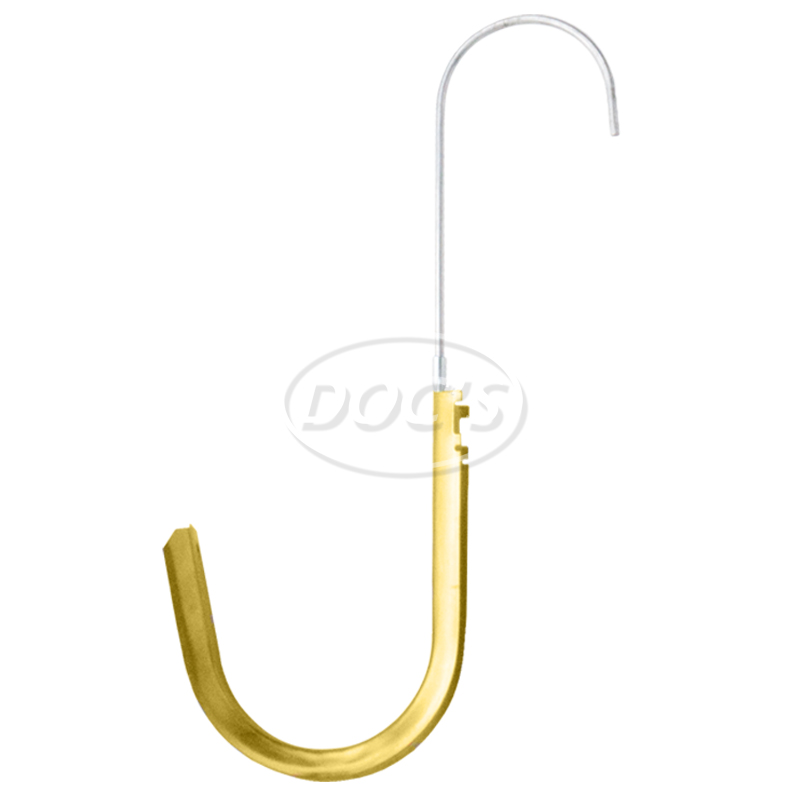
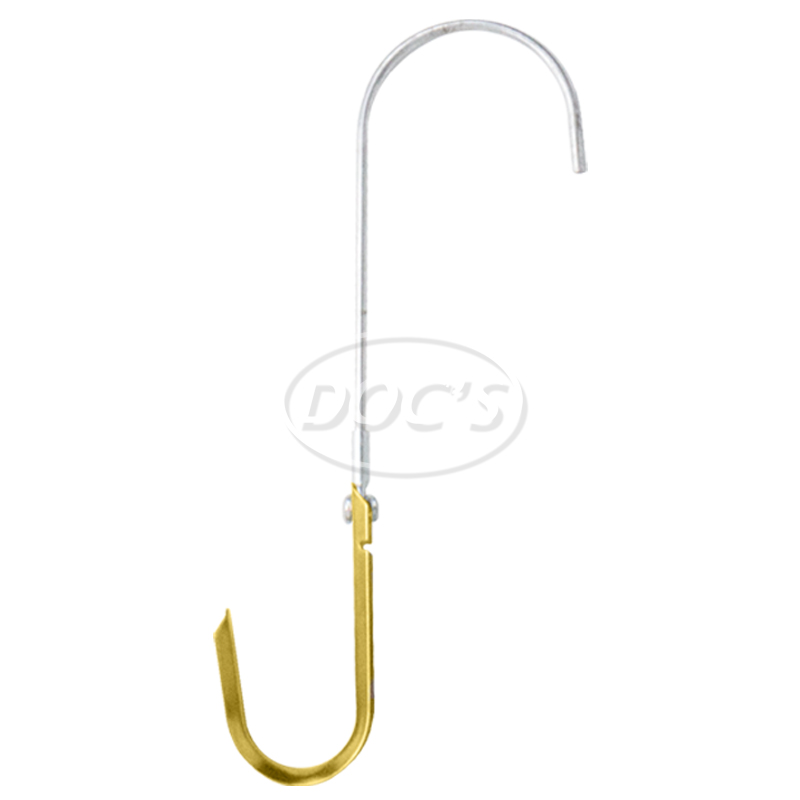
We have different variations of our temporary support hooks and each support includes a 3″ diameter grappling hook designed to fit over standard structural members such as joists. Crews can install and remove the supports from the ground using the Quic Stic telescoping pole tool.
Why Organized Temporary Cable Pathways Matter
Temporary cable runs can create jobsite hazards when cords and cables are left on the floor. They may cross walkways, interfere with equipment, or become difficult to trace as work areas change.
Common temporary cable issues include:
- Cords lying across walking paths
- Cable runs exposed to foot and equipment traffic
- Tangled temporary power or low-voltage runs
- Slower cleanup and repositioning
- Confusing routing between work areas
- Extra labor when cables need to be moved
- Increased risk of damage from jobsite activity
Temporary Cable Support J-Hooks help reduce these problems by lifting cables and cords above the floor. This keeps pathways cleaner and makes it easier for crews to work around temporary services.
For contractors, this supports better jobsite organization. For supervisors and project managers, it helps create a cleaner work area that can adapt as the project changes.
The Purpose of Temporary Cable Support J-Hooks
The main purpose of Temporary Cable Support J-Hooks is to provide reusable overhead support for temporary cables and cords. They help keep temporary runs off the ground without requiring permanent installation hardware.
This is useful in areas such as:
- Active construction zones
- Temporary power routes
- Renovation projects
- Open ceiling spaces
- Commercial interiors
- Industrial work areas
- Maintenance zones
- Jobsite corridors
- Areas with exposed joists or structural members
Instead of placing cords across the floor, contractors can hang cable supports from standard structural members. The Quic Stic telescoping pole tool allows crews to install and remove the supports from the ground, reducing the need to climb for routine placement and removal.
Key Benefits of Temporary Cable Support J-Hooks
Reusable Temporary Cable Support
Temporary Cable Support J-Hooks are designed for reuse. Crews can install them during one phase of work, remove them when the route changes, and use them again in another area.
This makes them useful on jobsites where temporary power, lighting, tools, or communication cables need to move as the work progresses. Instead of building a one-time support method, contractors can use the same support product across changing conditions.
Reusable supports can also help reduce jobsite clutter. When the temporary route is no longer needed, the supports can be removed and stored for the next application.
Multiple Length and Hook Options
Docs Industries offers temporary support options in several lengths and hook sizes. The 12″, 24″, and 36″ supports help crews choose the right drop or reach based on the structure, work area, and cable route.
Available J Hook options include 2″ and 4″ standard J Hooks, plus high performance hybrid J Hook options in 1″, 2″, 3″, and 4″ sizes.
This gives installers flexibility when routing different cable groups. Smaller hooks may suit lighter cable runs, while larger hooks can help support larger temporary cable bundles.
Grappling Hook Attachment
Each Temporary Cable Support J-Hook uses a 3″ diameter grappling hook. This hook is designed to fit over standard structural members such as joists.
The grappling hook design helps contractors create temporary cable support points without drilling, fastening, or using permanent mounting hardware. It is useful when the route must change as the job progresses.
This approach supports fast setup and removal, especially in active spaces where crews need to keep working without adding permanent attachments.
Ground-Level Installation and Removal
Temporary Cable Support J-Hooks can be installed and removed from the ground using the Quic Stic telescoping pole tool. This is a key benefit for crews working in areas where support points are overhead.
Ground-level installation can help reduce setup time and limit the need to reposition ladders for every support point. It also makes it easier to adjust temporary routes as work moves through the building.
When the cable route changes, crews can remove the support and reposition it in another area using the same pole tool.
Cleaner Cable Routing on Active Jobsites
Temporary Cable Support J-Hooks help keep cables and cords elevated, organized, and easier to identify. This is especially useful when several trades are sharing the same work area.
These supports can help separate temporary cable runs from:
- Foot traffic
- Lifts and carts
- Tools and materials
- Wet or dusty floor areas
- Other trade work zones
- Permanent cable pathways
A cleaner temporary cable layout makes the jobsite easier to manage. It also helps crews find and follow the correct cable route when service, changes, or cleanup are needed.
Compatibility With Docs Industries Cable Management Products
Temporary Cable Support J-Hooks are part of Docs Industries’ broader cable management product lineup. They are designed for temporary cable and cord support, especially where overhead structural members are available.
Common compatibility and use conditions include:
- Temporary cables and cords
- Temporary power routes
- Temporary lighting support
- Low-voltage temporary runs
- Standard structural members such as joists
- Open ceiling work areas
- Ground-level installation using the Quic Stic telescoping pole tool
- Reusable temporary jobsite layouts
The correct Temporary Cable Support J-Hook should match the cable group, support spacing, hook size, support length, and jobsite condition.
How Temporary Cable Support J-Hooks Simplify Cable Routing
Temporary cable routing often changes as projects move through different phases. Temporary Cable Support J-Hooks simplify this work by giving crews a reusable support point that can be placed, removed, and relocated as needed.
Example: Active Construction Area
In an active construction area, crews may need to route temporary power cords across open spaces. Leaving those cords on the ground can create clutter and make the area harder to work in.
Temporary Cable Support J-Hooks allow crews to lift those cords above the work zone. The 3″ grappling hook fits over standard structural members, and the support can be installed from the ground with the Quic Stic telescoping pole tool.
Example: Corridor Cable Route
A jobsite corridor may carry temporary lighting, tool power, or communication cabling between work areas. If cables are left at floor level, they can interfere with workers, carts, and materials.
Using 12″, 24″, or 36″ temporary supports, crews can create a cleaner overhead route. A 2″ J Hook may work for lighter cable groups, while a 4″ J Hook can support larger temporary cable bundles.
Example: Changing Work Zones
Temporary work zones shift as projects progress. A cable route that works during rough-in may need to move during finishing, inspection, or maintenance work.
Because Temporary Cable Support J-Hooks are reusable, crews can remove them and reinstall them in the next work zone. This helps contractors maintain cable control without creating permanent attachment points.
Best Practices for Using Temporary Cable Support J-Hooks
To get the best result, teams should plan temporary cable routes before installation begins. Temporary supports work best when each placement has a clear purpose and does not interfere with other trades.
Do This First
Start by reviewing the temporary cable route and the available overhead structure. Then choose the support length and hook size that fit the cable group and installation area.
Consider:
- Cable or cord type
- Cable quantity
- Hook size
- Support length
- Support spacing
- Available joists or structural members
- Work area traffic
- Access for removal
- Cable route changes during the project
- Coordination with other trades
This planning helps crews avoid crowded supports and reduces the need to reroute cables later.
Match the Support to the Cable Pathway
Not every temporary cable route needs the same support. A short drop may call for a 12″ support, while a deeper or more open area may benefit from a 24″ or 36″ support.
The hook size should also match the cable group. A 2″ J Hook may fit smaller runs, while a 4″ J Hook gives more room for larger temporary cable bundles. High performance hybrid J Hook options give crews additional sizing flexibility from 1″ through 4″.
The goal is to keep cables elevated without overfilling the hook or creating a difficult route to service.
Keep Temporary Routes Readable
A temporary cable pathway should still make sense. Arrange supports so cable routes move in a clear direction and stay out of busy floor areas.
Use consistent spacing where possible. Keep cable groups organized by purpose, such as temporary power, lighting, or communication lines.
This helps workers, supervisors, and maintenance teams understand the route quickly.
Why Contractors and Engineers Choose Docs Industries
Contractors and engineers choose Docs Industries because its cable management products are built for real jobsite conditions. Temporary Cable Support J-Hooks reflect that approach with reusable designs, practical hook sizes, and installation from the ground using the Quic Stic telescoping pole tool.
Docs Industries helps project teams create cleaner temporary cable routes with less disruption. With Temporary Cable Support J-Hooks, crews can keep cables and cords off the ground while maintaining flexible support for changing work areas.
Temporary Cable Support J-Hooks Product Specifications