Bridle Rings for Organized Cable Pathways
Bridle Rings by Docs Industries help contractors create simple, dependable cable support points across commercial, industrial, and institutional projects. With multiple sizes, thread styles, finishes, and mounting options, Bridle Rings support cable routing where clean organization and fast installation matter.
This article is for contractors, structural engineers, low-voltage installers, and project managers who need a flexible support option for voice, signal, control, and communication cable pathways.
What Are Bridle Rings?
Bridle Rings are cable support products used to guide and support low-voltage cable runs. They provide an open ring-style pathway that helps organize cable while keeping it accessible for future moves, adds, and changes.
Docs Industries’ Bridle Rings are commonly used for:
- Voice communication cable
- Signal cable
- Control cable
- Data communication cable
- Low-voltage cable
- Light cable support routes
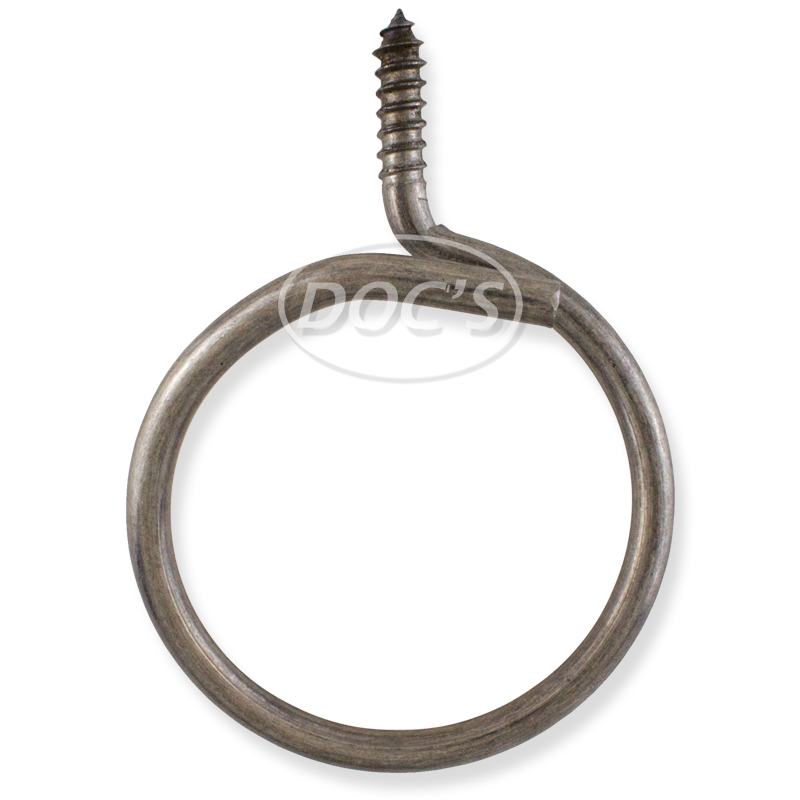
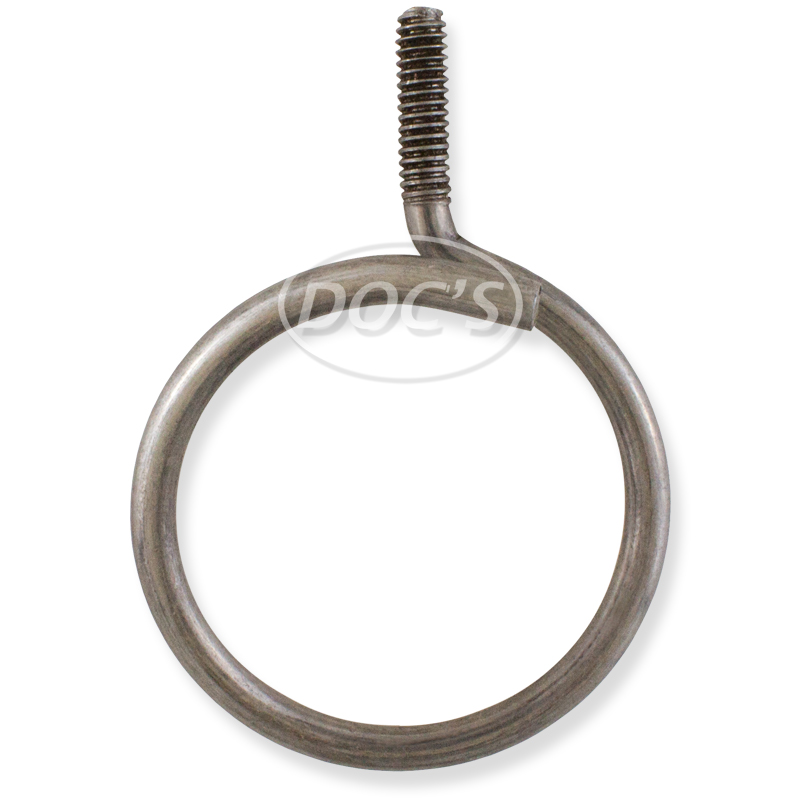
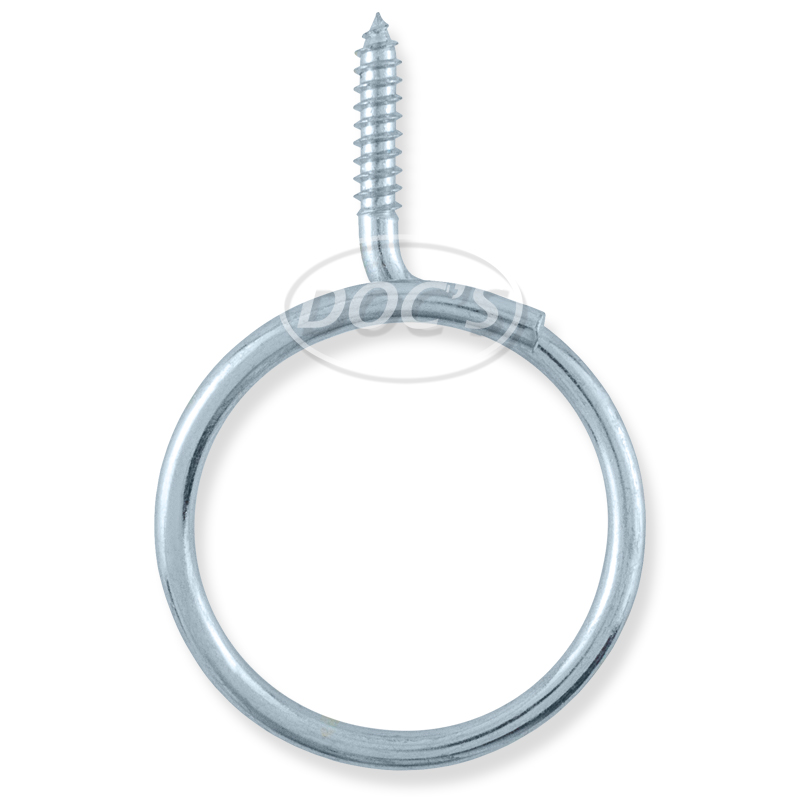
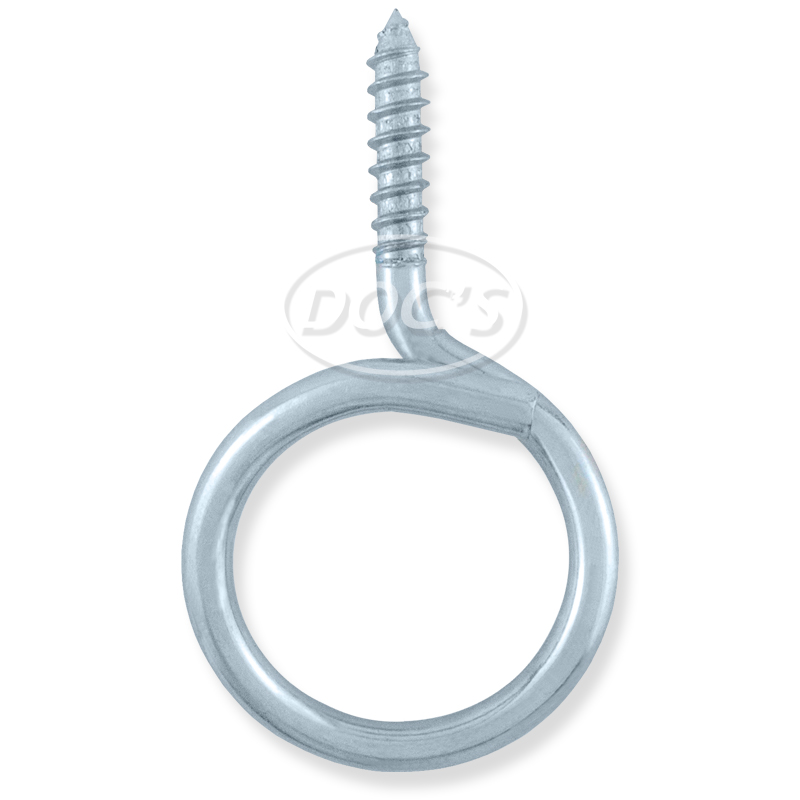
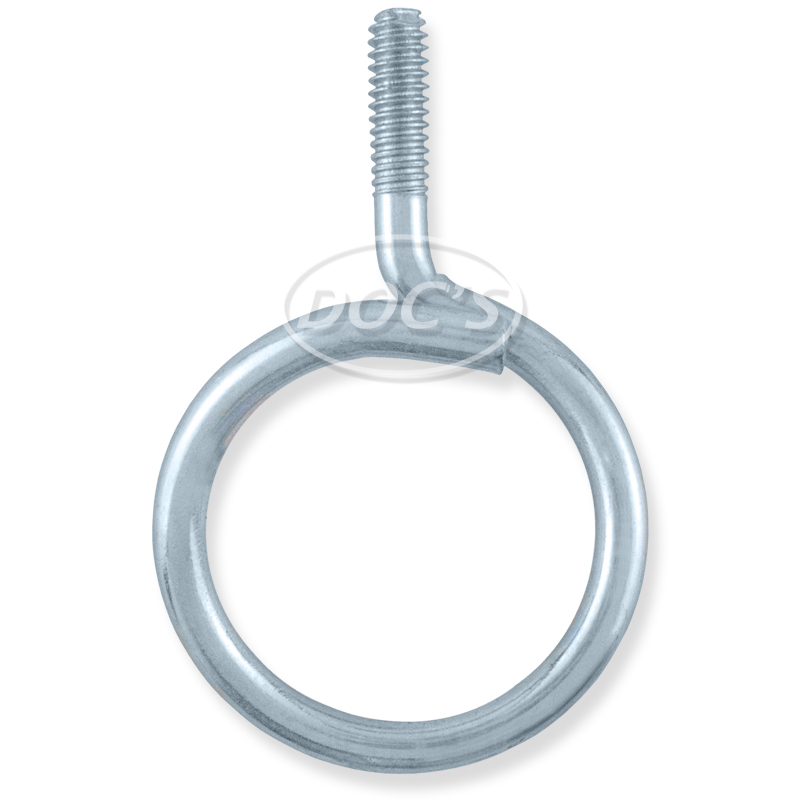
The product line includes wood screw Bridle Rings and machine thread Bridle Rings in zinc-plated and stainless steel options. These choices help contractors match the ring style to the structure, environment, and project requirements.
In practical terms, Bridle Rings give crews a simple way to support cable where a full tray or larger J Hook system may not be needed.
Why Organized Cable Pathways Matter
Cable pathways affect installation quality, inspection readiness, and long-term maintenance. If cable is unsupported or poorly routed, it can become hard to trace, crowded, and difficult to service later.
Common cable routing issues include:
- Unsupported or sagging cable runs
- Cable routes crossing over each other
- Crowded ceiling spaces
- Poor pathway visibility
- Extra labor during future cable changes
- Confusing layouts for facility teams
- Mismatched support products for the cable type
Bridle Rings help reduce these issues by giving installers defined support points for lighter cable pathways. With the right size and mounting style, crews can keep cable routes organized without overbuilding the support system.
For contractors, this means faster installation and cleaner routing. For owners and facility teams, it means cable systems are easier to identify, access, and maintain.
The Purpose of the Bridle Rings
The main purpose of Bridle Rings is to provide simple, reliable support for low-voltage and communication cable pathways. They are especially useful where cable routes need to stay organized but do not require larger support systems.
This is useful when a building includes systems such as:
- Voice communication cabling
- Signal cabling
- Control wiring
- Security cabling
- Building automation wiring
- Low-voltage branch routes
- Small communication cable pathways
- Serviceable overhead cable runs
Instead of using one support method for every condition, contractors can select the Bridle Ring size, material, and thread style that fits the job. Wood screw versions are useful for direct wood attachment, while machine thread versions work with compatible threaded mounting hardware.
Key Benefits of the Bridle Rings
Flexible Cable Support
Bridle Rings are available in several sizes to support different cable pathway needs. Smaller rings can support lighter branch routes, while larger rings can help manage larger cable groups.
This flexibility helps installers choose a support point that matches the cable run instead of forcing every route into the same product. It also helps keep cable organized in spaces where access and visibility matter.
For best results, match the ring size to the cable group before installation. This helps avoid overcrowding and keeps future service work easier.
Multiple Mounting Options
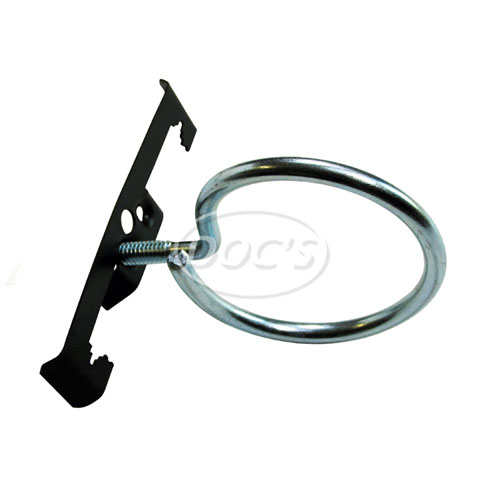
Docs Industries’ Bridle Rings are available in wood screw and machine thread styles. This gives contractors options for direct mounting or use with compatible support hardware.
Mounting options and compatible accessories may include:
- Wood screw attachment
- 1/4″-20 machine thread connection
- 10-24 machine thread connection
- Eye couplings
- Beam clamps
- Pressed beam clamps
- Bat wing clips
- Pot magnets
- Mounting rails
- Clip and pin assemblies for concrete applications
This range helps installers adapt to different field conditions without changing the entire pathway design.
Cleaner Cable Separation
Bridle Rings help contractors keep cable routes separated by system, area, or destination. This is especially helpful when multiple low-voltage systems share the same ceiling or service space.
For example, a contractor may use separate Bridle Ring pathways for:
- Voice cable
- Control wiring
- Signal cable
- Security cable
Keeping these routes organized reduces confusion during installation and future service. It also makes the pathway easier for inspectors and facility teams to understand.
Faster Installation on Complex Projects
Large projects often include many repeated cable routes across corridors, offices, classrooms, service rooms, and open ceiling areas. Bridle Rings help crews install support points quickly because they are simple, familiar, and adaptable.
This helps contractors:
- Support lighter cable routes efficiently
- Reduce custom field modifications
- Keep cable runs organized
- Repeat support layouts across similar areas
- Improve access for future maintenance
- Coordinate more easily with other trades
The result is a cleaner installation with less time spent solving support issues in the field.
Support for Future Cable Changes
Commercial and institutional buildings often change over time. Offices add workstations, schools add devices, facilities update controls, and service teams modify communication systems.
Bridle Rings support future cable changes by keeping pathways accessible. Technicians can trace, add, or remove cable more easily when routes are organized and not buried in crowded, unsupported spaces.
A clear Bridle Ring layout helps the building stay serviceable long after the first installation is complete.
Compatibility With Docs Industries Cable Management Products
Bridle Rings are designed to work as part of the broader Docs Industries cable management system. Depending on the product and application, they can be used with threaded supports, beam-mounted hardware, magnetic mounting options, and rail systems.
Common compatibility includes:
- 1/4″-20 threaded support connections
- 10-24 threaded support conditions
- Eye couplings
- Beam clamps
- Pressed beam clamps
- Bat wing clips
- Pot magnets
- Mounting rails with 1/4″-20 threaded impressions
- Concrete clip and pin assemblies
Docs Industries mounting rails can support organized layouts where multiple cable support points need to be grouped or repeated. Small rail options are designed for compatible smaller J Hook and threaded support layouts, while larger rail options support larger grouped cable management assemblies.
The correct Bridle Ring and mounting method should always match the cable type, cable load, structural condition, and project specification.
How It Simplifies Complex Cable Routing
Large buildings often include many cable systems moving through the same ceiling space. Bridle Rings simplify this work by giving contractors a practical support option for lighter cable pathways and branch routes.
Example: Main Corridor Cable Route
In a commercial office building, a main corridor may carry voice, signal, control, and low-voltage cable between rooms and service areas. Bridle Rings can help support these routes in a clean, repeatable pattern.
A contractor may use larger rings for shared pathway sections and smaller rings for branch routes into offices, conference rooms, or equipment areas. This keeps the layout readable and easier to service.
Example: Beam Flange Attachment
In a warehouse or industrial facility, cable routes may follow steel framing. Bridle Rings can be paired with compatible beam clamps or threaded mounting hardware to support cable along structural routes.
This helps reduce the need for custom supports. It also keeps cable pathways aligned with the building structure.
Example: Threaded Rod and Ceiling Wire Conditions
Some projects require support from threaded rod, ceiling wire, or other suspended support points. Bridle Rings can be used with compatible hardware such as eye couplings, bat wing clips, and threaded accessories.
This flexibility is useful in buildings where ceiling and framing conditions vary from one area to another. It allows installers to maintain a consistent cable support strategy across changing field conditions.
Best Practices for Using Bridle Rings
To get the best result, teams should plan the cable pathway before installation begins. Bridle Rings work best when each support point has a clear purpose and is matched to the cable route.
Do This First
Start by reviewing the cable groups that need support. Then match each route to the correct Bridle Ring size, material, and mounting method.
Consider:
- Cable type
- Cable count
- Bundle diameter
- Support spacing
- Attachment surface
- Thread size
- Mounting hardware
- Environmental conditions
- Future cable capacity
- Project specifications
This planning helps crews avoid overcrowded supports and reduces the chance of rework.
Match the Bridle Ring to the Cable Pathway
Not every route needs the same Bridle Ring. Smaller rings may work well for light branch runs, while larger rings may be better for higher-capacity communication cable routes.
Wood screw Bridle Rings are useful where direct attachment to wood is appropriate. Machine thread Bridle Rings work well with compatible threaded hardware, clamps, rails, or other support assemblies.
The goal is to support the cable without overfilling the ring or making the pathway difficult to service.
Keep Pathways Readable
A good cable pathway should make sense when someone looks at it later. Arrange Bridle Rings so each route has a clear direction and purpose.
Use consistent spacing and routing where possible. For example, one pathway may support voice communication cable, while another supports control or signal cable.
This helps installers, inspectors, and maintenance teams understand the system faster.
Why Contractors and Engineers Use Bridle Rings
Contractors use Bridle Rings because they are simple, practical, and effective for supporting communication, signal, control, and low-voltage cable. Engineers and designers value them because they provide an organized support option for lighter cable routes without requiring a larger pathway system in every location.
Key advantages include:
- Multiple ring sizes
- Zinc-plated and stainless steel options
- Wood screw and machine thread styles
- Support for voice, signal, control, and communication cable
- Compatibility with threaded support hardware
- Cleaner cable routing
- Faster installation for lighter cable pathways
- Easier inspection and service access
- Use across commercial, industrial, and institutional buildings
Bridle Rings help turn loose or unsupported cable routes into cleaner, more controlled pathways.
Why Contractors and Engineers Choose Docs Industries
Contractors and engineers choose Docs Industries because our cable management solutions are built for real jobsite conditions. The Bridle Ring product line reflects that approach with practical sizes, durable material options, and compatible mounting hardware for common construction environments.
Docs Industries helps project teams build organized cable pathways with greater confidence. With Bridle Rings, contractors can support voice, signal, control, and low-voltage cable routes while keeping installations clean, accessible, and ready for long-term service.
Bridle Rings Product Specifications
| Bridle Ring Product | Size | Material / Finish | Thread / Mounting Style | Typical Applications |
| Zinc Plated Machine Thread Bridle Ring | 3/4" | Zinc plated steel | 10-24 machine thread | Light voice, signal, control, and low-voltage cable support |
| Zinc Plated Machine Thread Bridle Ring | 1 1/4" | Zinc plated steel | 1/4"-20 machine thread | Communication and control cable support using threaded mounting hardware |
| Stainless Steel Machine Thread Bridle Ring | 1 1/4" | Stainless steel | 1/4"-20 machine thread | Cable support where stainless steel material is preferred |
| Zinc Plated Wood Screw Bridle Ring | 1.25" | Zinc plated steel | Wood screw | Direct attachment to wood surfaces for voice, signal, and control cable |
| Stainless Steel Wood Screw Bridle Ring | 1.25" | Stainless steel | Wood screw | Direct wood attachment where stainless steel material is preferred |
| Zinc Plated Wood Screw Bridle Ring | 1.5" | Zinc plated steel | Wood screw | Medium light-duty cable support on wood surfaces |
| Zinc Plated Machine Thread Bridle Ring | 1 1/2" | Zinc plated steel | 1/4"-20 machine thread | Threaded support for communication, signal, and control cable pathways |
| Zinc Plated Wood Screw Bridle Ring | 2" | Zinc plated steel | Wood screw | Direct wood attachment for larger voice, signal, and control cable runs |
| Stainless Steel Wood Screw Bridle Ring | 2" | Stainless steel | Wood screw | Larger cable support on wood surfaces where stainless steel is preferred |
| Zinc Plated Machine Thread Bridle Ring | 2" | Zinc plated steel | 1/4"-20 machine thread | Larger threaded cable support for communication and low-voltage pathways |
| Stainless Steel Machine Thread Bridle Ring | 2" | Stainless steel | 1/4"-20 machine thread | Larger cable support where stainless steel and threaded mounting are needed |
| Zinc Plated Machine Thread Bridle Ring | 2" | Zinc plated steel | 10-24 machine thread | Communication, signal, and control cable support using 10-24 threaded hardware |
| Zinc Plated Machine Thread Bridle Ring | 4" | Zinc plated steel | 1/4"-20 machine thread | Larger cable pathway support for voice, signal, control, and low-voltage cable routes |