I-LAG™ Screw (Eye Lag Screw) Solutions for Overhead Support
When designing or building suspended systems, the fastener is much more than a minor detail—it is fundamental to structural integrity, efficiency, and project success. The Docs Industries I-LAG™ screw category is specifically engineered for use in overhead applications like suspended ceilings, jack chain or ceiling wire attachments, and other tension-based scenarios requiring reliable performance across a range of substrates.
This article provides a senior-level overview of why the I-LAG™ screw has become the go-to solution for professionals looking for both versatility and rigor in suspended systems. You’ll learn how its design intent, installation flexibility, and available configurations make it a standout category for both engineering specification and jobsite execution.
Understanding the I-LAG™ Screw (Eye Lag Screw)
The I-LAG™ screw is a specialty fastener created to form strong, secure attachment points for wire, chain, or cable in overhead and suspended system assemblies. What separates it from general-purpose screws is its emphasis on tension-style support. In these applications, the right geometry and material compatibility are essential because the fastener doesn’t just hold weight—it manages long-term suspended loads.
Common use cases include anchoring suspended ceiling grids, installing jack chains, fastening ceiling wires, and handling other repetitive overhead connections. For engineers, choosing the I-LAG™ screw ensures the connection is both defined and dependable. For contractors, it means installation processes are more manageable, repeatable, and aligned with the field’s best practices.
The category’s value lies in combining thoughtful design with practical usability—making it as field-ready as it is specification-driven.
The Role of the I-LAG™ Screw in Suspended Systems
Achieving consistency is critical in suspended systems, where every connection point contributes directly to overall support. The I-LAG™ screw category addresses this by offering a family of solutions tailored to varied substrates and installation environments.
Optimized for Tension
Unlike fasteners designed for shear or general load conditions, the I-LAG™ screw is strictly intended for tension. This fits the requirements of supporting ceilings, wires, and chain installations, where loading is applied along the axis of the fastener. Using the right geometry, these screws maintain a secure load path and simplify suspension layouts, especially on larger projects with hundreds or thousands of attachment points.
Aligning Fastener and Substrate
One standout advantage is the breadth of substrate compatibility. Through multiple versions and styles, the I-LAG™ screw ensures there’s a fit for wood, light-gauge sheet metal, and thick structural steel—each presenting unique challenges. This flexibility gives engineers the power to specify exactly what the substrate requires, discouraging vague callouts. For contractors, it removes guesswork and supports efficient, error-free installation.
Driving Installation Speed and Repeatability
Labor efficiency is a significant concern on jobs with extensive overhead work. Many I-LAG™ screw models are compatible with installation tools such as the Lagmaster® Pole Tool, allowing crews to perform installs from the ground without ladders. This not only enhances safety and ergonomics but increases the pace and consistency of placement, especially in fast-moving commercial buildouts.
Common Applications for I-LAG™ Screw (Eye Lag Screw) Solutions
The reach of the I-LAG™ screw category covers a variety of overhead fastening needs:
Suspended Ceilings
Probably the most widespread use, I-LAG™ screw fasteners play a key role in suspended ceiling installations, where they provide quick, repeatable attachment points for ceiling wire or jack chain along the grid. Fast installation and reliability make them the preferred choice for these labor-intensive, detail-sensitive systems.
Jack Chain and Ceiling Wire Suspension
The same category supports jack chain and cable installations. By providing flexibility in point styles and substrate use, these fasteners suit a range of ceiling and wall suspensions—making them valuable in both straightforward and unusual layouts.
Light Suspended and Cable-Based Systems
Beyond ceiling work, I-LAG™ screw products are used anywhere you need a strong, repeatable point for tension-based support—such as in equipment mounting, safety support wires, or specialty hanging needs in industrial and commercial spaces.
Across all these applications, the crucial benefit is the category’s ability to streamline both design and installation—reducing improvisation and increasing predictable performance.
The Importance of Point Styles
A key differentiator for the Docs Industries I-LAG™ screw line is the diversity of point styles, which have a significant impact on fit, holding strength, and installation time.
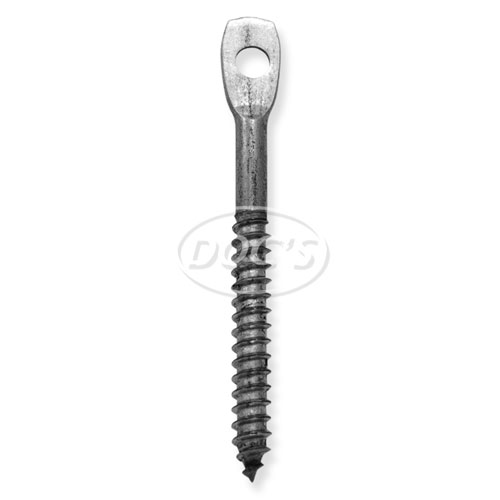
Sharp Point
Sharp point styles are often used where fast, direct penetration into the substrate is required. In wood or in certain light-gauge metal scenarios, a sharp tip provides a clean start and positive engagement, minimizing installation time and increasing holding values. For engineers, these are ideal when the fastener’s path needs to be precise or when a collar is needed for specific attachment geometry.
Punch Point
Punch point versions are designed for light to medium gauge sheet metal. Their configuration ensures effective entry into metal deck or framing without excessive material displacement or need for pre-drilling. This is essential for jobs where maintaining surface integrity or working with thin substrates is critical.
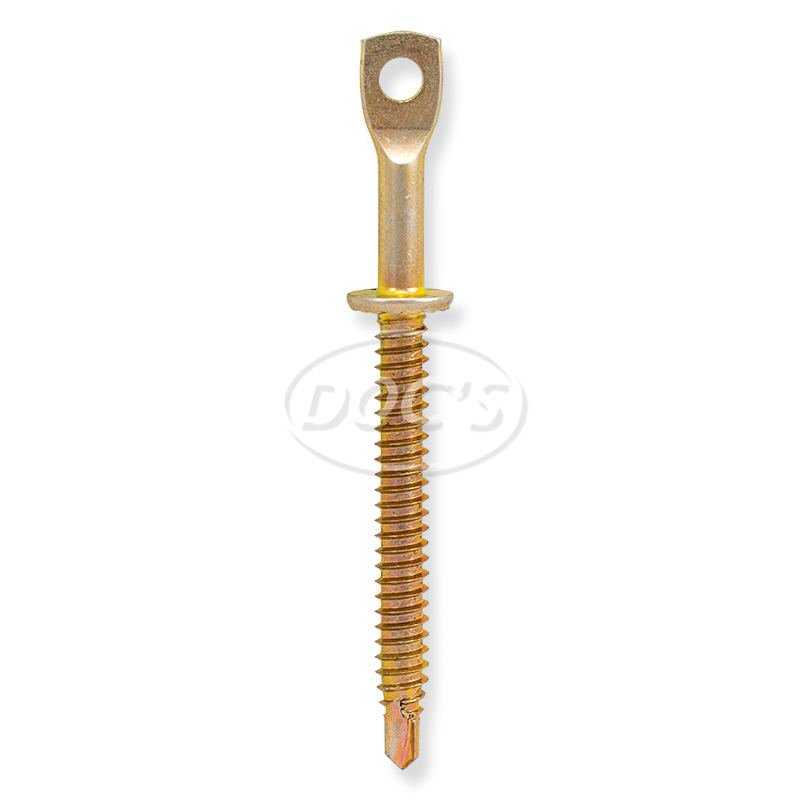
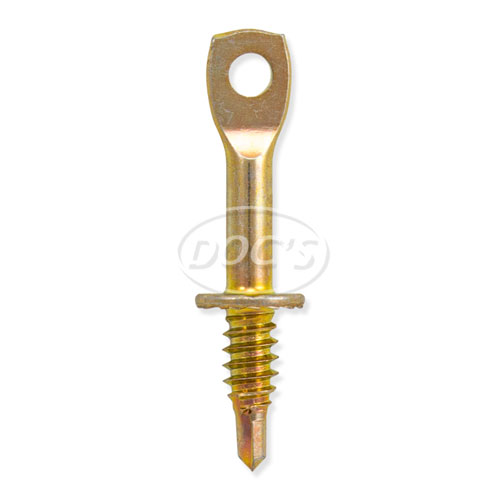
Self-Drilling
Self-drilling styles are suited for metal applications where the screw must create its own hole and form a connection in a single operation. These are especially effective for ceiling systems in steel-decked buildings, or any application where drilling and fastening need to happen quickly and consistently. Some self-drilling options offer code compliance via ICC-ES listings, providing an added layer of confidence and documentation.
Deep Drilling
For jobs involving thick structural steel, deep drilling designs extend the fastener’s capability into heavy-duty territory. They are engineered to penetrate significant thicknesses of steel, offering a solution where lighter-duty fasteners would otherwise fail.
Choosing the correct point style is central to achieving fast installation, maximum strength, and the kind of repeatability that large projects demand.
Materials and Finishes: Matching to the Environment
Material choice is another pillar of the I-LAG™ screw value proposition. The selection of plating or core material ensures the fastener will hold up across a variety of environmental and code-driven requirements.
Zinc-Plated Steel
A zinc-plated I-LAG™ screw is the staple for most indoor environments. The plating provides moderate corrosion resistance, a clean aesthetic finish, and is typically cost-effective. In most commercial interiors, these screws provide reliable service life without over-specifying for harsh conditions.
316 Stainless Steel
Where corrosion, harsh weather, or chemical exposure are factors—or where non-magnetic properties are needed—316 stainless steel versions become vital. These fasteners are used in marine facilities, food processing plants, medical spaces (especially MRI rooms due to their non-magnetic behavior), and other specialty settings.
Practical Guidance on Selection
Choosing between zinc-plated and stainless options should always begin with an assessment of the final service environment. Standard interiors typically call for plated models, while moisture, corrosive atmospheres, or specialty code requirements demand stainless steel.
Selecting the right finish from the outset drastically reduces maintenance needs, replacement costs, and the risk of premature failure.
Substrate Compatibility: Adapting to Project Realities
The I-LAG™ screw family is designed to work across three broad substrate categories:
Wood
The most straightforward scenario, wood applications include attaching wire or chain to wood ceiling joists, beams, or blocking. Stainless options make these installations suitable for outdoor or corrosive environments.
Light-Gauge Metal
Light-gauge metal work involves selecting the correct point style—sharp, punch, or self-drilling—depending on the thickness and access needs. By matching point geometry with deck or stud type, installers avoid substrate damage, reduce installation force, and achieve a secure fit every time.
Structural Steel
For jobs involving beams or thick steel elements, deep drilling versions ensure successful installation where regular screws would be inadequate. This opens new avenues for safe suspended support in wide-ranging commercial and industrial settings.
The ability to field a consistent solution across all three major substrate types streamlines specs and minimizes surprises for crews on the ground.
Installation Efficiency and Specialty Tools
A truly valuable overhead fastener isn’t just strong or code-listed—it also helps speed up on-site work while protecting installers’ health.
Lagmaster® Pole Tool Compatibility
Pairing the I-LAG™ screw with the Lagmaster® Pole Tool allows for ground-based installation. This approach minimizes ladder or lift use, improving safety and lowering jobsite fatigue. It also supports large-scale, repetitive work, helping crews keep pace on tight schedules and high ceilings.
Benefits Summarized
- Reduced dependence on ladders and lifts
- Faster installation per unit across large areas
- Improved safety and ergonomic outcomes for crews
- Consistency in placement, speed, and engagement across job sites
Such tools make the difference not just for productivity metrics but also for worker wellbeing and site safety statistics.
Key Considerations for Engineering and Selection
Before specifying an I-LAG™ screw (eye lag screw), both engineers and contractors should walk through several key questions:
- What is the substrate (wood, sheet metal, or steel), and what does it demand from point style and finish?
- Is the load strictly tension, or will there be secondary influences?
- Does the environment suggest the use of zinc-plated or stainless steel?
- Are there code requirements (such as ICC-ES listings) involved?
- Would installation be more effective with ground-based tools like the Lagmaster® Pole Tool?
- Is the job located in a specialty environment (marine, MRI, etc.) that demands specific material properties?
Careful pre-selection ensures the fastener will perform as expected on day one—and for years afterward.
Avoiding Common Specification Mistakes
Even robust product categories can suffer from improper specification. Typical errors to avoid include:
Treating All Eye Lag Screws as Interchangeable
Different point styles, material compositions, and manufacturing tolerances exist for a reason. The one-size-fits-all approach nearly always leads to suboptimal results—avoid it by specifying the right category member for the task.
Overlooking Substrate Thickness
Especially in structural steel, matching the fastener’s drilling and holding characteristics to actual thickness is critical for safe and lasting installation.
Defaulting Material by Habit
Defaulting to galvanized or stainless steel without reference to the job’s requirements can increase cost or—worse—lead to premature failure.
Focusing Solely on Price
Labor efficiency and installation quality directly affect total project cost. The optimal I-LAG™ screw is one that balances performance, usability, and life cycle cost—often making a slightly higher up-front purchase price the most cost-effective long-term choice.