

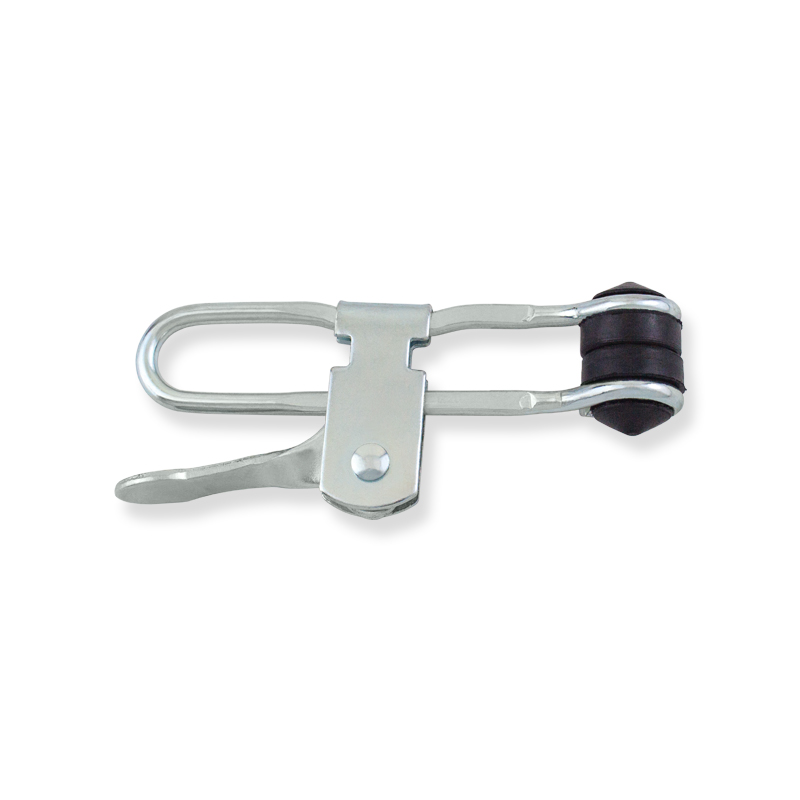
NEW! Acoustical Grid Clamp – 3″
Product Code: I-CLAMP-3
3″ Acoustical Ceiling Leveling Line Grid Clamp
Specs
- High quality steel with rubber tips
- 3” overall length
- Packaged 1 per per bag
- Product weight: 0.05 lbs. each
Documentation
Ready to Order?
Find a distributor near you, or request a submittal package for this product.
Questions
Frequently Asked Questions
WHAT IS THE DIFFERENCE BETWEEN ALLOWABLE STRENGTH (ASD) AND DESIGN STRENGTH (LRFD)?
In structural engineering, a structure is a body or combination of pieces of rigid bodies in space to form a fitness system for supporting loads. Structures such as buildings, bridges, aircraft and ships are all examples under steel structure. The effects of loads on structures are determined through structural analysis. Steel structure is steel construction material, a profile, formed with a specific shape or cross section and certain standards of chemical composition and mechanical properties.
There are currently two common methods of steel design: The first (and older) method is the Allowable Strength Design (ASD) method. The second (newer) is the Load and Resistance Factor Design (LRFD) method.
The table on our ICC report reflects the two methods that engineers use to reduce the ultimate capacity to an in service load – these methods are ASD and LFRD. ASD is the old fashioned method of dividing the ultimate load by a safety factor. LRFD is a newer approach based on factored loads. Engineers use one of these methods in their design (they don’t switch back and forth within the same design), so having both in the report serves the engineer. Users of the report need to know the design approach being used in order to select the proper available load.”
DO THE 750 SD AND 175 SD SELF-DRILLING I-LAG SCREWS COMPLY WITH ASTM C635 AND ASTM C636?
WHAT ARE THE GAUGE TOLERANCES FOR SHEET METAL?



Where to Buy
Tell us where you're located and we'll connect you with the nearest distributor for this product.
or call us toll-free at 800-544-8706
Submittal Request
or fill out this form and a member of our staff will get right back to you.
or call us toll-free at 800-544-8706